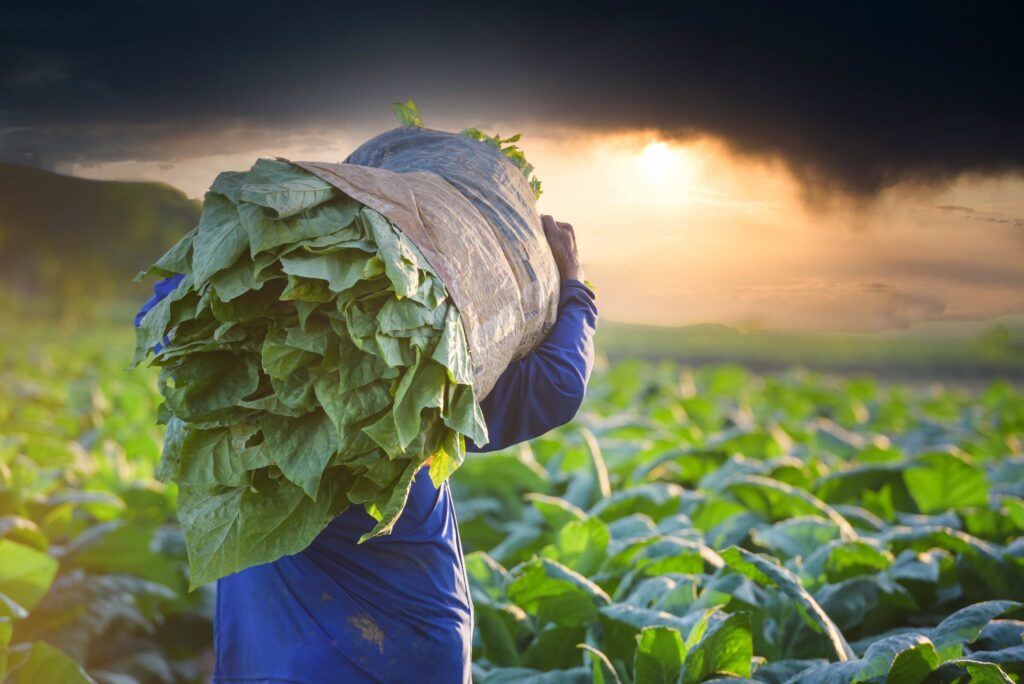
Tobacco Farming Challenges and Prospects
Tobacco farming in Zimbabwe remains a cornerstone of the nation’s agricultural economy, underpinning rural livelihoods and serving as one of the primary sources of foreign exchange. Despite mounting global regulatory pressures, shifting consumer behavior, and climate variability, Zimbabwe tobacco farming continues to demonstrate both resilience and adaptability. As we explore the sector’s future into 2025 and beyond, it’s clear that the industry is shaped by a complex interplay of market dynamics, contract farming practices, export opportunities, challenges, government policies, and innovations.
In this comprehensive analysis, we will dissect the “7 Key Challenges and Opportunities” shaping tobacco farming Zimbabwe, explore the role of contract farming, analyze export and market trends, and assess future prospects for farmers and the industry at large.
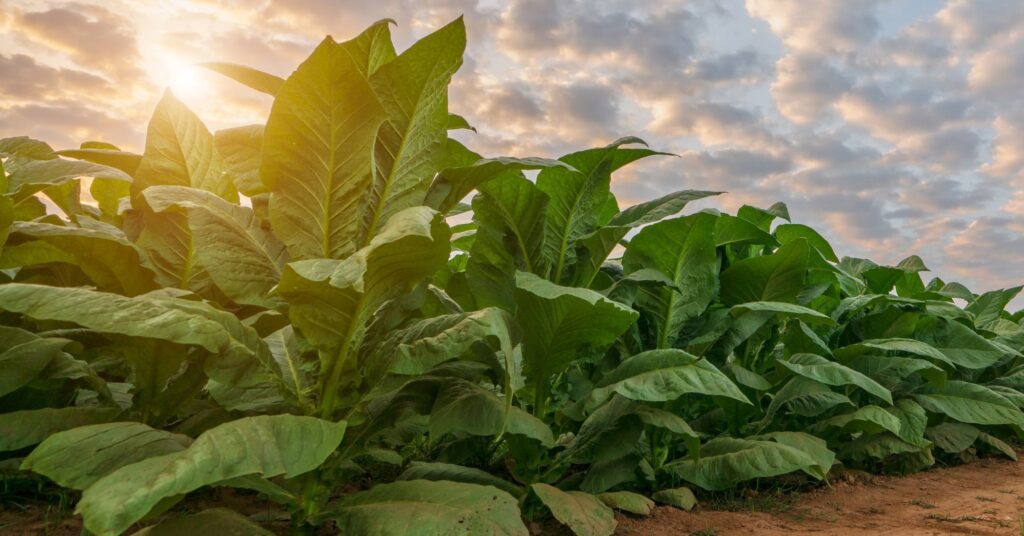
Overview of Tobacco Farming in Zimbabwe
Tobacco farming in Zimbabwe accounts for a highly significant portion of the country’s commercial agriculture. Primarily situated in Mashonaland (East, West, and Central) and Manicaland—known for their favorable agro-ecological zones—these regions boast fertile soils and optimal climatic conditions for tobacco production. Virginia tobacco is predominately grown and remains in high demand on international markets, with its famed quality commanding prime prices abroad.
The sector supports hundreds of thousands of smallholder farmers, plus a larger ecosystem encompassing curing, logistics, marketing, and associated value chains. In 2024, Zimbabwe exported over 200 million kilograms of tobacco, cementing its place among the world’s largest exporters. The leading importer continues to be China, underpinning the global significance of the Zimbabwe tobacco sector. The contribution of tobacco export earnings is critical, helping offset trade deficits and stabilize foreign currency reserves for the country.
The tobacco industry thus remains one of Zimbabwe’s essential pillars, even as it faces rising global scrutiny and market shifts.